
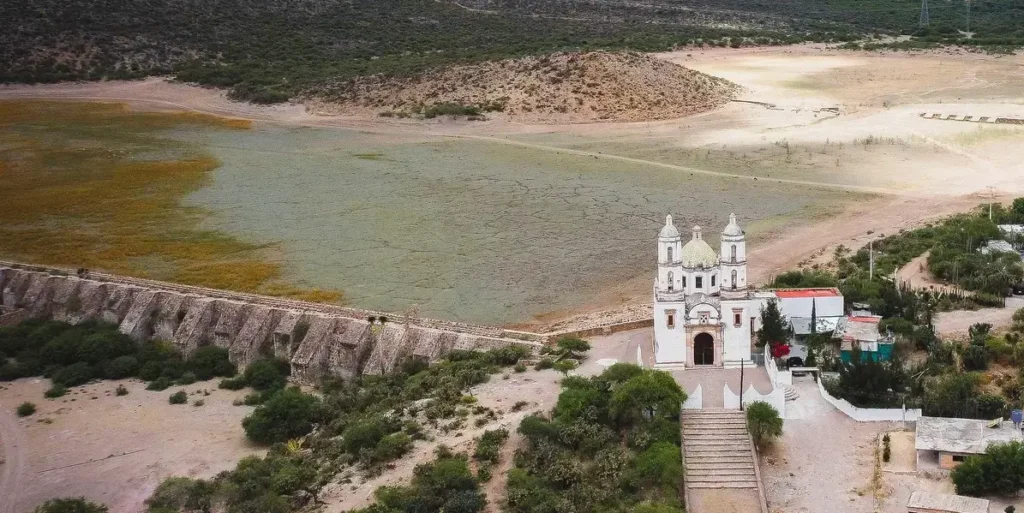
Water context in Mexico
- The water crisis, climatic conditions, inconsistent supply, and the lack of maintenance of existing infrastructure are explicit concerns for the population. In fact, 59.2% of the population surveyed by INEGI in urban areas expressed this uncertainty, ranking it second in priority.
- This concern is not far from reality. In the country, more than half of the Mexican territory is not water-sustainable, while only 10.5% presents high sustainability conditions.
- The inequality in access to piped water and basic sanitation shows major geographical disparities in Mexico. While states like Nuevo León have coverage above 91.6%, others, like Guerrero and Baja California Sur, barely reach 17%. The national average is 56.3%.
- There is also a disparity in the capacity for treating municipal wastewater. States like Baja California, Mexico City, and Nayarit treat more than 99%, while others like Campeche or Yucatán do not exceed 15%. National coverage in 2024 was 68.1%.
- A notable example of extreme water stress was the Monterrey metropolitan area, the second-largest in the country, which in 2022 implemented scheduled water cutbacks to avoid “day zero” during a drought.
- Dante Hernández, a CONAGUA researcher, noted that as of March 2026, Mexico had recovered 94% of its water after the 43-month drought that began in 2022.
10 key points from the New National Water Program
1. Combatting Corruption and Administrative Disorder
One of the most drastic changes is the creation of the National Public Water Registry (REPNA), which replaces the former Public Registry of Water Rights (REPDA).
This new, unique database seeks to eliminate historical inconsistencies, ensure efficient management, and prevent corruption. Furthermore, a Single Digital Window (Ventanilla Digital Única [image below]) will be implemented to reduce response times for citizen procedures from 60 to just 30 days.
In addition, the program seeks to digitize and streamline administrative procedures, improve the inspection and surveillance of the use of national waters, and strengthen the application of environmental sanctions.

2. Special Review of Concessions
An exhaustive review of more than 500,000 current concession and assignment titles will be undertaken.
The objective is to correct irregularities, prevent the issuance of volumes exceeding the basins’ actual availability, and recover unused water to reincorporate it into the national reserve fund.
3. Hydraulic Infrastructure Must Be Modernized and Optimized
The National Water Program recognizes that a large part of the federal infrastructure presents significant delays in maintenance, rehabilitation, and modernization.
The lines of action propose:
- Reducing leaks in distribution networks.
- Improving the physical and commercial efficiency of operating agencies.
- Modernizing pumping infrastructure.
- Increasing metering and monitoring.
- Incorporating specialized technological tools.
The need to strengthen the technical and administrative capacities of municipal operating agencies, many of which face financial and operational problems, is also highlighted.
4. Sanitation and Wastewater Treatment Will Be Priority Issues
With the intention of reducing health risks and strengthening water availability for productive uses, the program will seek to increase treatment coverage, modernize existing plants and their operations and maintenance, reduce contaminant discharges, and promote the safe reuse of treated water.
5. Technification of the Mexican Countryside
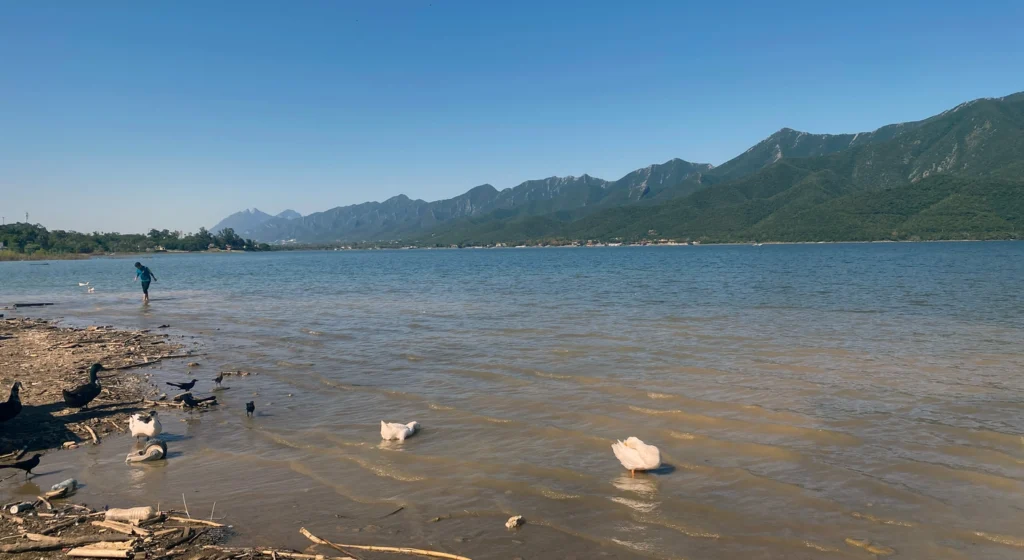
Since agriculture accounts for more than 76% of water use in Mexico, improving sectoral efficiency is the aim. The modernization of hydro-agricultural infrastructure will not only increase rural productivity but will also allow the recovery of enormous volumes of liquid to be redirected to human consumption.
Finally, the plan also calls for reducing losses in canals and networks, promoting efficient technologies, encouraging the reuse of treated water, incentivizing technological innovation, and reducing pressure on aquifers and surface bodies.
6. Guaranteeing the Human Right to Water, Support for Communities, and Gender Perspective
The program seeks to consolidate more efficient, equitable, and sustainable services, especially for communities with greater historical lags, such as rural, peri-urban areas, and Indigenous and Afro-Mexican peoples.
Furthermore, the legal recognition of community systems as legitimate organizations managing the service will be promoted. By granting them legal status, the State will be able to provide direct technical, legal, and budgetary support, thereby promoting sustainable technologies, traditional practices, and eco-techniques.
Finally, the plan establishes that a higher percentage of federal investment (subsidies) will be granted to those operating agencies and community water systems that integrate women into their decision-making positions in equal or greater proportion.
7. Circular Economy in Industry
The strategies promote the development of technologies for treating and reusing water in productive processes, in line with the principles of the circular economy.
In parallel, agreements will be negotiated for companies to return to the country the volumes of conceded water they do not use, allocating them to national reserves and to population consumption.
8. Urgent Rescue of the Most Contaminated Rivers
A fundamental line of action is the cleaning and ecological restoration of the most degraded water bodies, prioritizing the sanitation of the Tula, Atoyac, and Lerma-Santiago rivers.
Additionally, the “Adopt a River” initiative will be implemented so that at least one water body is recovered in each federative entity, accompanied by much stricter quality monitoring and the updating of the National Inventory of Wetlands.
9. Resilience to Climate Change
To protect the population against extreme droughts and more intense hurricanes, the National Meteorological Service will be modernized, and early warning systems will be improved.
Resources will be allocated to build, maintain, and rehabilitate flood control works, dams, and stormwater drainage networks, while heavily committing to nature-based solutions, such as reforestation, to increase the infiltration and resilience of the basins.
The program also recognizes that the impacts of climate change affect vulnerable and low-income populations with greater intensity.
10. Mexico’s Water for 2030 and 2050
In its Long-Term Vision section, it projects that by 2030, Mexico will have organized its concessions, advanced its countryside, and made significant progress toward equitable access to water and sanitation.
But the true goal is envisioned for 2050: consolidating a country where waterborne diseases are minimal, the circular economy dominates industry, and wastewater reuse reaches optimal levels.
By mid-century, aquatic ecosystems are expected to be clean and restored, overexploitation will have ceased, and the country will have a high capacity to respond to climatic impacts.

The biggest leak is not Water; it’s Money.
- In Monterrey, the Services of Water and Drainage (SADM) agency, despite being recognized with the Innovation Water Circularity Award 2024 for its digital management even during a drought, faces financial constraints deriving from controversial legal reforms that have diminished its operational capacity.
- For its part, the Intermunicipal System of Potable Water and Sewage Services (SIAPA) in Guadalajara presents a 17% increase in debt; this opacity and deficient financial management have led the agency to be considered practically inoperable.
- Finally, Mexico City recorded losses of up to 40% of the supply by 2022 due to leaks and unaccounted-for water. Added to this backlog is the lack of transparency in the face of contingencies, as occurred with the concealment of data on water quality in vulnerable sectors.