
- Following the observed efficiency of zeolite in a single filter unit, it was deployed across all remaining units.
- Annual backwash water savings exceed 770,000 m³
- We have provided solutions for this project twice, thanks to the positive results.
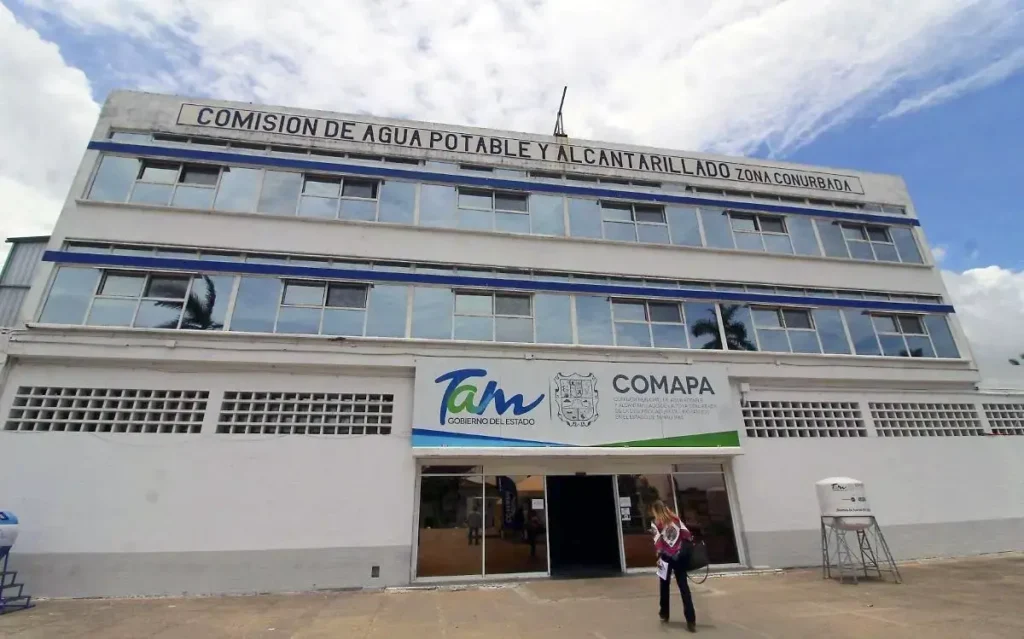
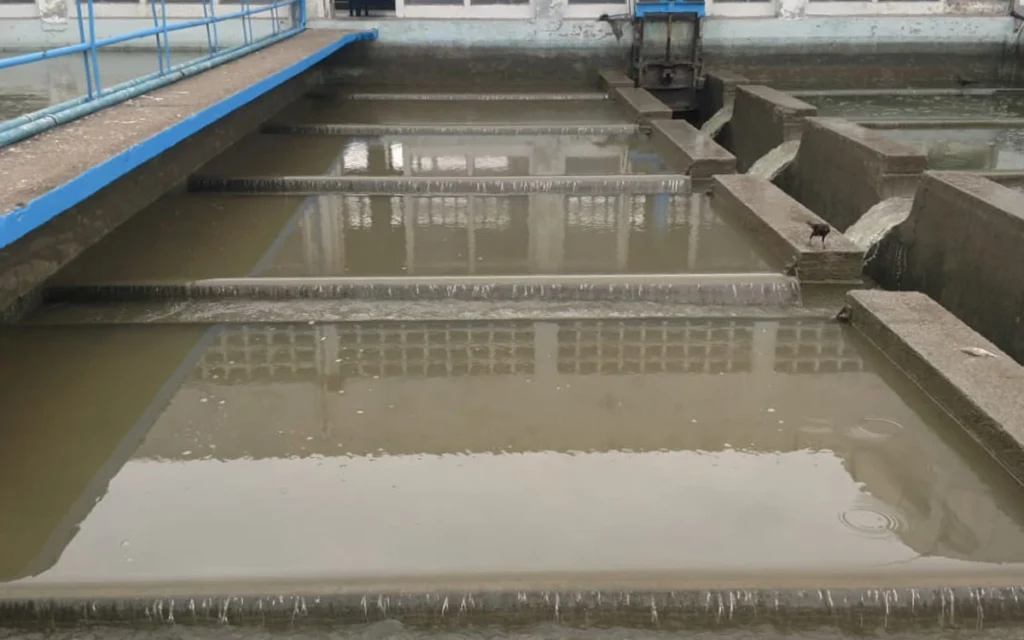
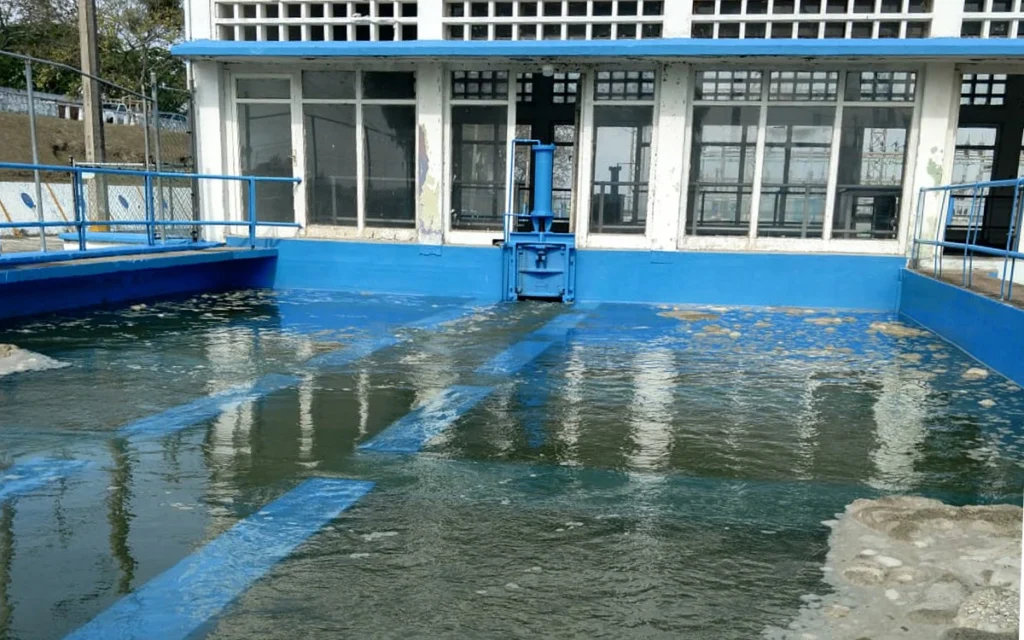
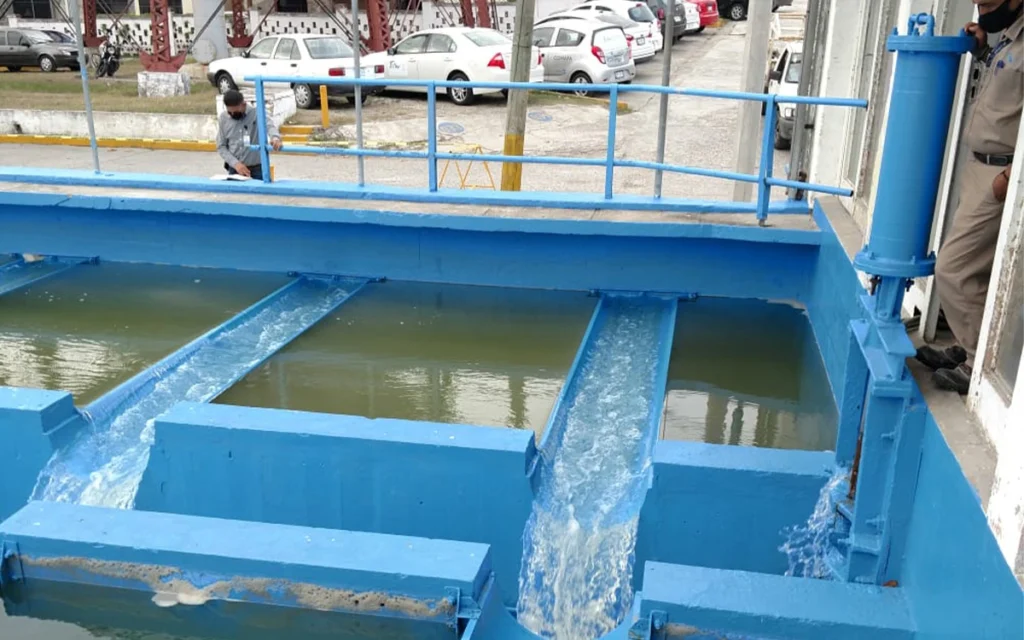
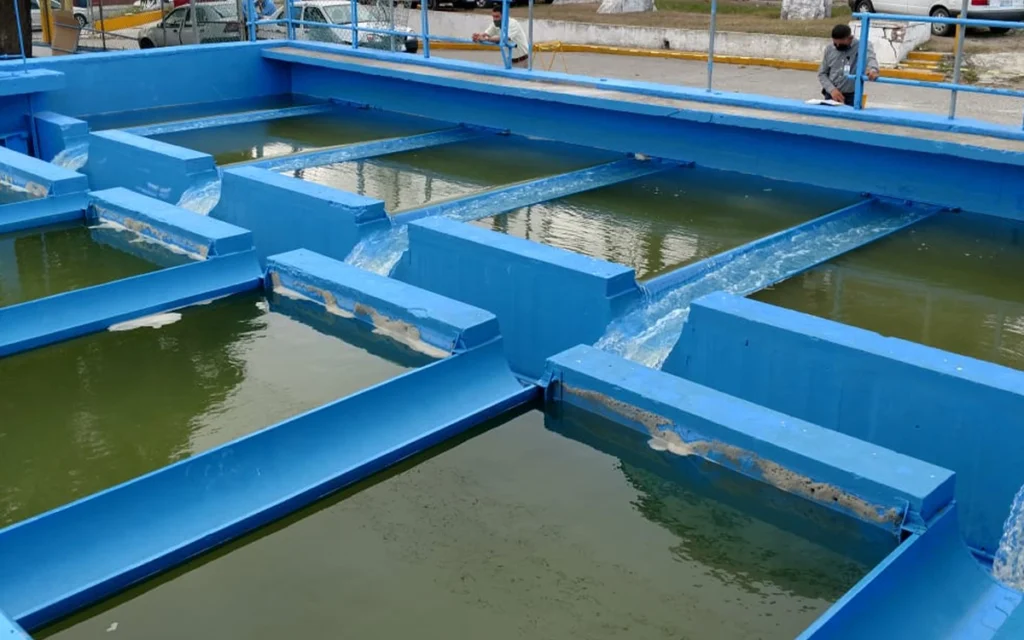
Built in the mid-twentieth century, the Altavista water treatment plant was established to meet the growing demand for drinking water across the southern region of Tamaulipas, Mexico.
Between 2020 and 2021, state and municipal authorities coordinated efforts to modernize the existing infrastructure and optimize overall operations for the benefit of the local community.
Upgrading to high-performance purification media: zeolite in place of silica sand
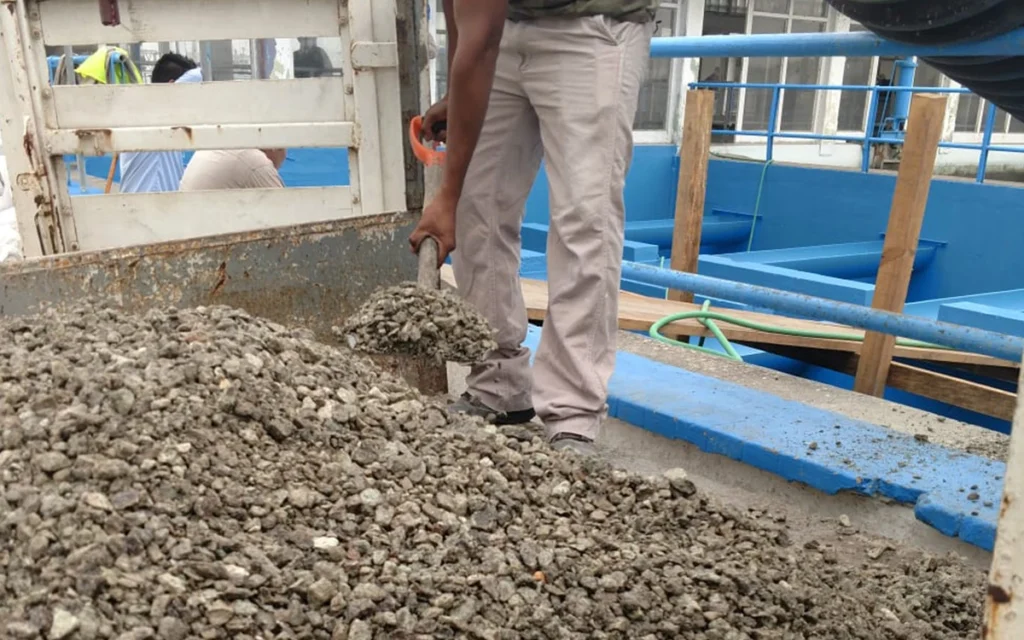
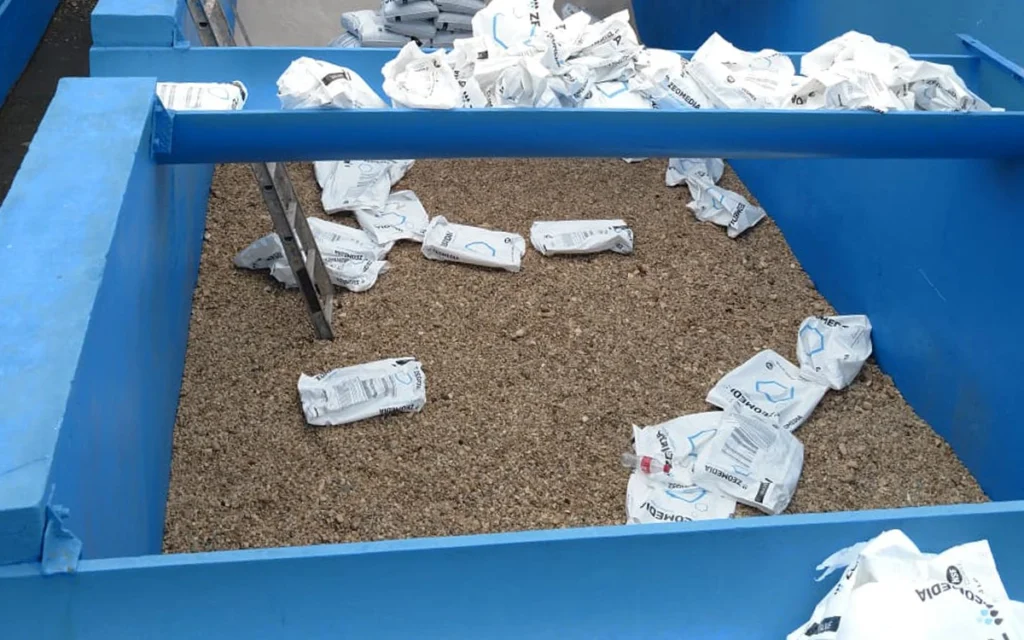
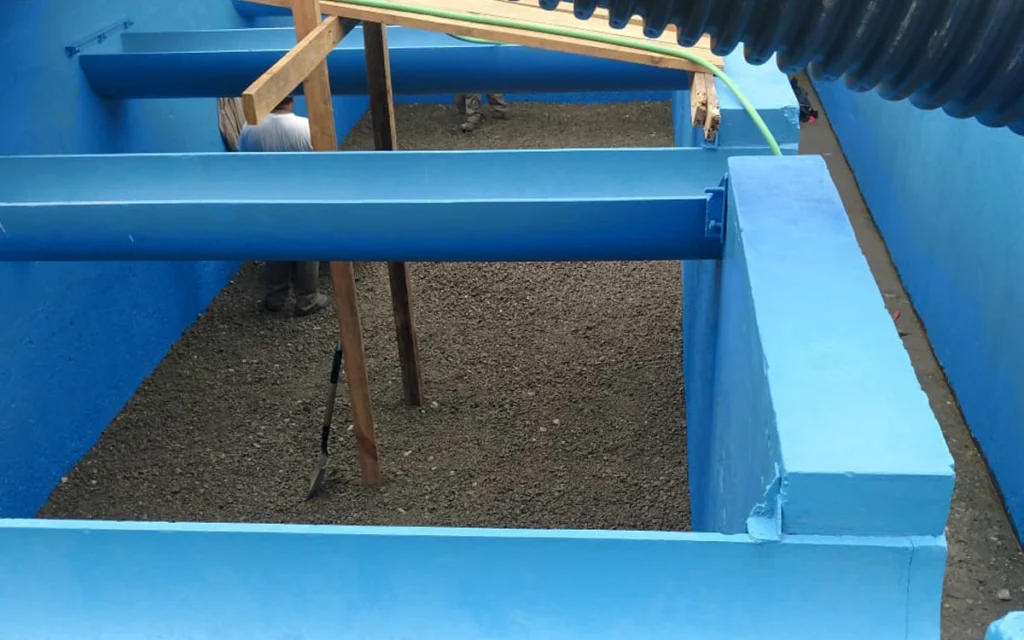
In addition to infrastructure and equipment rehabilitation, the operations team chose to replace the conventional silica sand filter bed with a higher-performance zeolite filter medium.
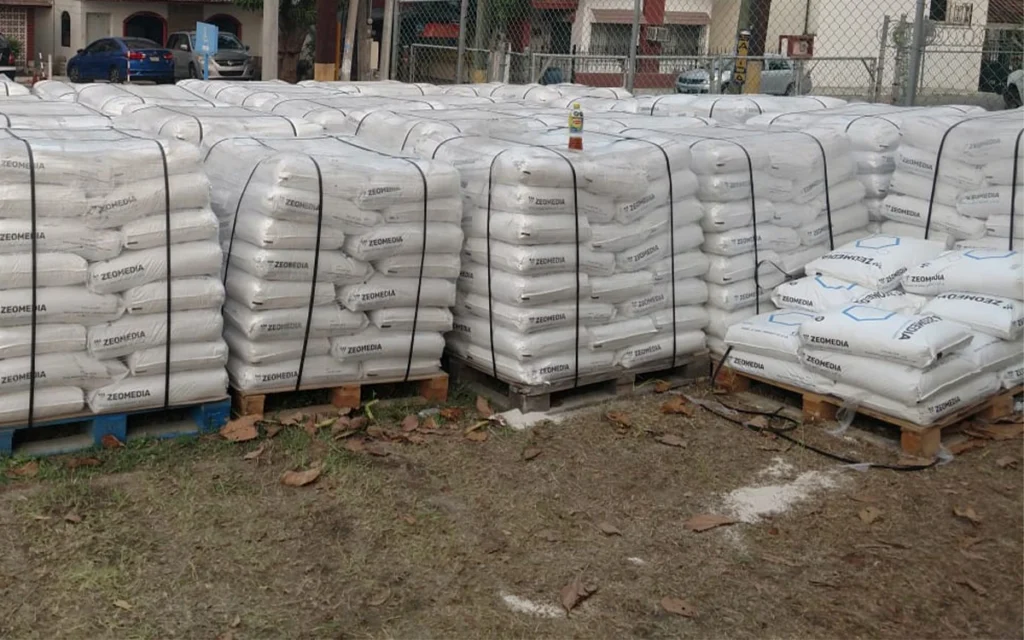
Based on technical evaluations, Zeomedia — a reference technology for zeolite filter media in Latin America — supplied the Zeomedia 12-20 formulation as the optimal solution for the facility.
To validate performance through a controlled pilot test, only a single filter unit was initially refilled. The operational impact of replacing sand with Zeomedia 12-20 demonstrated significant improvements:
| Parameter | Silica sand | Zeomedia 12-20 | Units |
| Inlet flow | 6,120 | m³/h | |
| Number of tanks (operation + stand-by) | 12 | # | |
| Inlet turbidity | 15 | NTU | |
| Outlet turbidity | 4.5 | 3.1 | NTU |
| Average operating cycle | 23.5 | 48 | h |
| Backwash duration | 10 | 8 | min |
| Backwash flow rate | 28.3 | 28.3 | m³/min |
| Water volume per backwash per filter | 283 | 226.4 | m³ |
| Water volume per full treatment train | 3,396 | 2,716.8 | m³ |
| Number of backwashes per year | 372.76 | 182.5 | # |
| Annual backwash water volume | 1,265,913.19 | 495,816 | m³ |
| Annual water savings | 770,097.19 | m³ | |
| Savings percentage | 60.8 | m³ | |
| Additional production capacity | 25.04 | lps | |
These results were supported by Zeomedia’s superior porosity, which provides a contact surface area ten times greater and a unit weight 60% lower than conventional silica sand.
After confirming the operational benefits and the significant water savings generated during backwash cycles, Altavista plant management decided to fully replace all filter beds with Zeomedia.
Based on technical estimates, the complete conversion of all filter units sets annual backwash consumption at 8,495,816 m³, representing a 60.8% reduction in water use compared to sand, equivalent to eliminating 770,097 m³ of annual consumption.
Synergy between zeolite filter media and ozonation technology
Despite the optimization achieved in the Altavista treatment process, the water source is now facing new operational challenges.
The sustained, uncontrolled discharge of urban and industrial wastewater raised the nutrient load in the lagoon, triggering a severe eutrophication event that accelerated algal proliferation and significantly reduced dissolved oxygen levels.
Additionally, a prolonged drought lowered the water body’s level. Dredging operations carried out by the relevant authorities removed aquatic vegetation — including tule bulrush and mangrove — eliminating the biological clarification barrier that had naturally regulated the quality of the raw water supply.
With this natural filter removed, high loads of microalgae and organic compounds flowed directly into the plant’s water intake, exceeding the original design specifications of the treatment train.
To mitigate the deterioration in inlet water quality, operations staff increased chlorine dosing; however, this measure produced more severe technical complications.
The interaction of chlorine with organic matter resulted in the unintended formation of trihalomethanes and other chemically stable byproducts, increasing the risk profile within the distribution network.
To address the high concentration of suspended solids, coagulant and flocculant dosing was increased — raising operational costs and adding process complexity without ensuring consistent regulatory compliance.
Direct treatment through ozonation and advanced zeolite filtration
In order to resolve the problem without generating undesirable byproducts, Zeomedia proposed implementing a pilot system based on ZeO3 technology, which integrates ozone oxidation with physicochemical clarification and a Zeomedia zeolite filter bed.
This technological approach was supported by performance evidence from installations treating complex water from challenging surface sources, including the Los Horcones water treatment plant in Mazatlán.
Tampico pilot test — operational stages:
- Ozonation Stage. Ozone is generated from atmospheric oxygen and injected into the water, delivering an oxidizing potential far exceeding that of chlorine while leaving no chemical residuals — enabling the breakdown of algae and resistant organic matter.
- Physicochemical Stage. Ozone pre-oxidation enhances floc formation, reducing the chemical input required for effective solids removal.
- Filtration with Zeomedia zeolite. The zeolite’s high specific surface area captures microscopic particles that escape conventional sand beds. The ZeO3 system integrates Zeomex’s prior supply into a continuous purification scheme.
Preliminary results
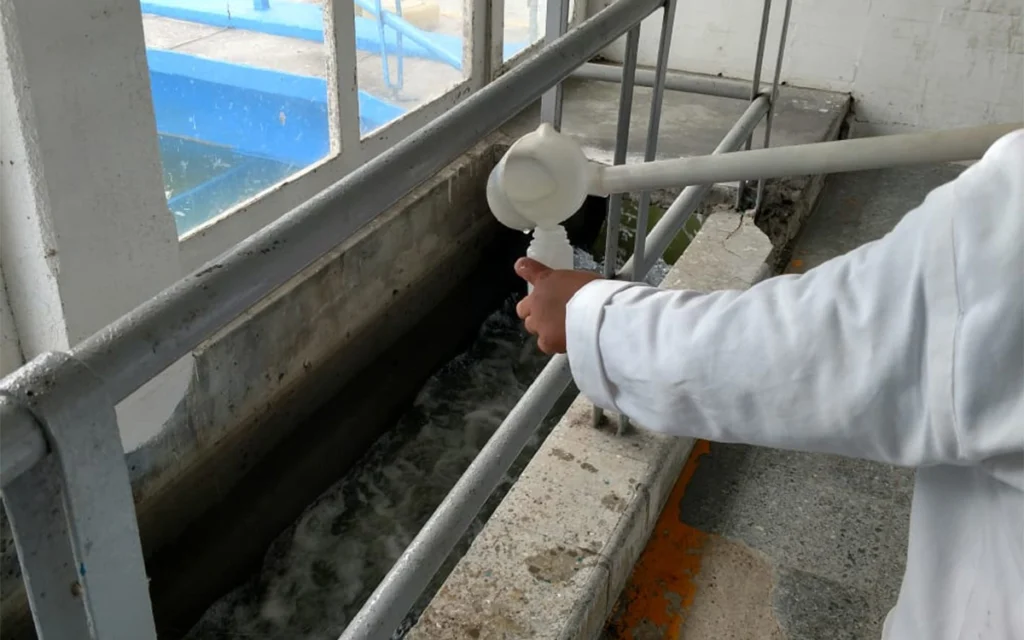
Analytical determinations performed on the filtered effluent recorded the following indicators:
- Outlet turbidity of 1.5 to 2.1 NTU, remaining below the 5.0 NTU threshold established in the applicable sanitary standard.
- Turbidity removal efficiency greater than 90%.
Although color, BOD, and COD analyses are still pending final laboratory reporting for the pilot’s complete assessment, operational testing demonstrates the technical viability of the ZeO3 system and establishes the dosing parameters required to scale the technology to the plant’s full treatment train.